Food Texture Testing Animation Guide
Food texture analysis is an important field in food science that quantifies the physical properties of food through various mechanical testing methods, helping with food development, quality control, and consumer acceptance evaluation.
What is Food Texture Analysis?
Food Texture Analysis is a science that studies the physical properties of food. It measures food's response under force using precision instruments, including characteristics such as hardness, elasticity, viscosity, and brittleness. This data not only helps food manufacturers control product quality but also predicts consumer preference levels for foods.
Importance of Texture Analysis
- Quality Control: Ensuring consistency and stability of product texture
- Product Development: Developing new products that meet consumer preferences
- Shelf Life Assessment: Monitoring texture changes during food storage
- Nutritional Value Maintenance: Optimizing processing conditions to preserve food nutrition and texture
Detailed Testing Methods
1. Adhesion Test
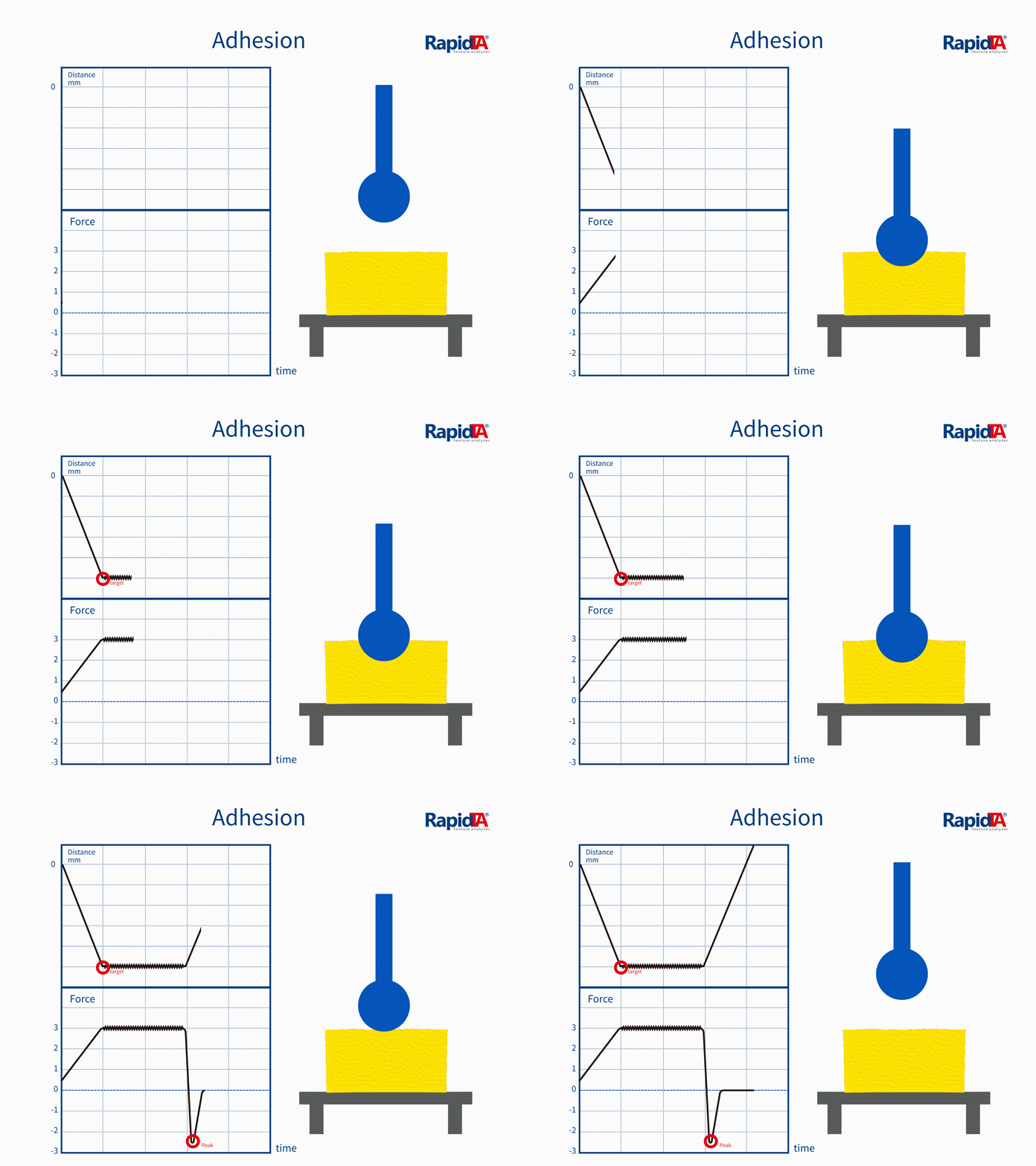
Test Purpose
Determine the adhesive properties of food surfaces, evaluating the binding force between food and the mouth, teeth, or utensils. Commonly used to test the stickiness of sauces, cheese, candy, and other foods.
Test Principle
A probe is pressed into the food sample surface, then pulled upward at a constant speed, measuring the maximum force value and adhesive work during the separation process. The stronger the food's adhesiveness, the greater the force needed for separation, and the larger the area under the curve.
Applicable Foods
- Cheese, butter, and other dairy products
- Honey, syrup, and other viscous liquids
- Gummies, chewing gum, and other candies
- Sauces, salad dressings
Important Parameters
- Adhesive Force: Maximum force value during separation
- Adhesive Work: Total energy consumed during separation process
2. Bending Test
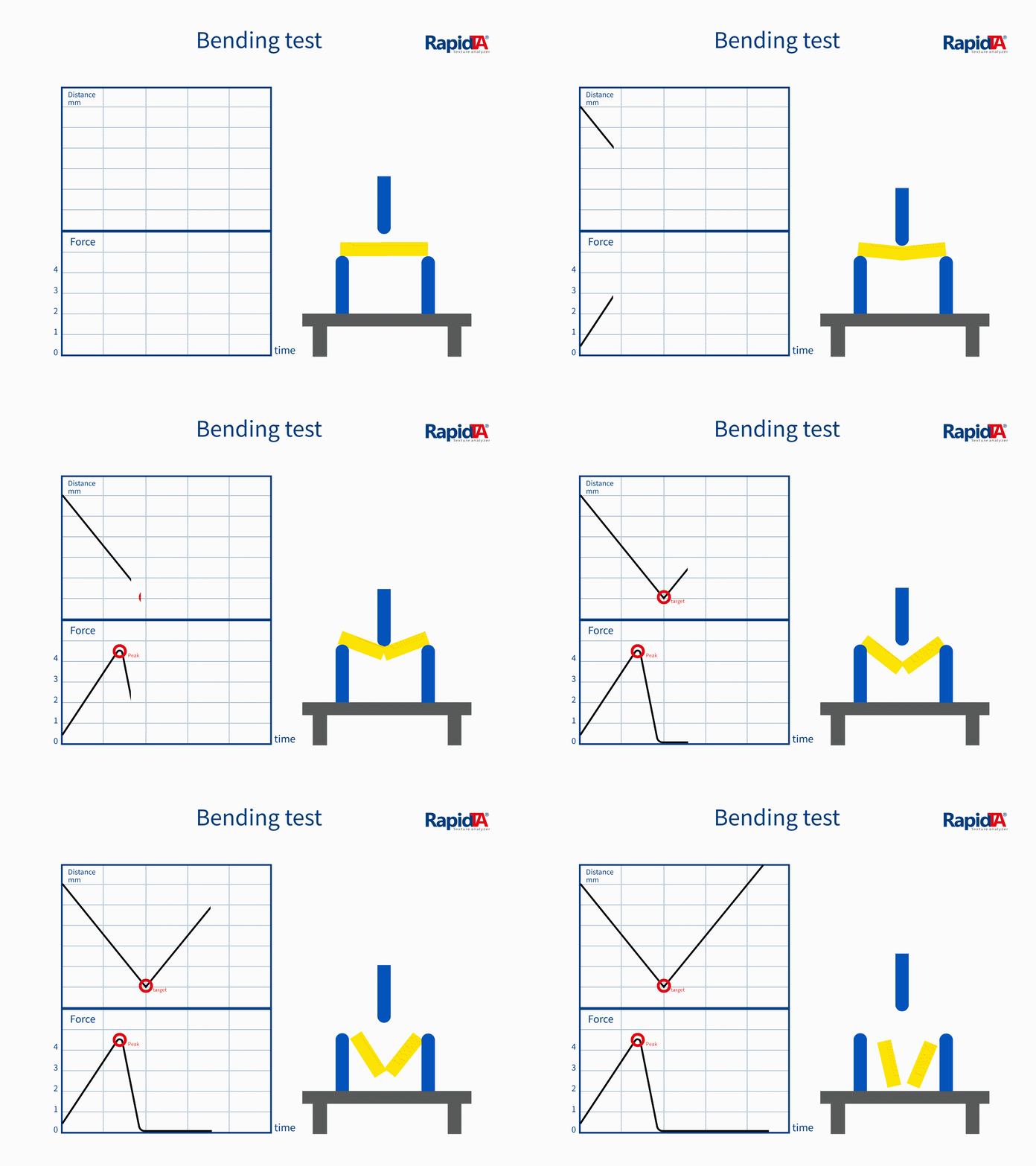
Test Purpose
Determine food's toughness and elasticity under bending force, evaluating food flexibility. Particularly suitable for texture analysis of strip-shaped and sheet-shaped foods.
Test Principle
Strip-shaped or sheet-shaped food samples are fixed on support points, with downward bending force applied at the center, measuring the maximum force value and deformation when the sample bends to fracture.
Applicable Foods
- Pasta, ramen noodles
- Cookies, crackers
- Cheese sticks, fish sticks
- Vegetable sticks (carrots, celery)
Important Parameters
- Bending Strength: Maximum bending stress the sample can withstand
- Elastic Modulus: Material's ability to resist elastic deformation
3. Burst Test
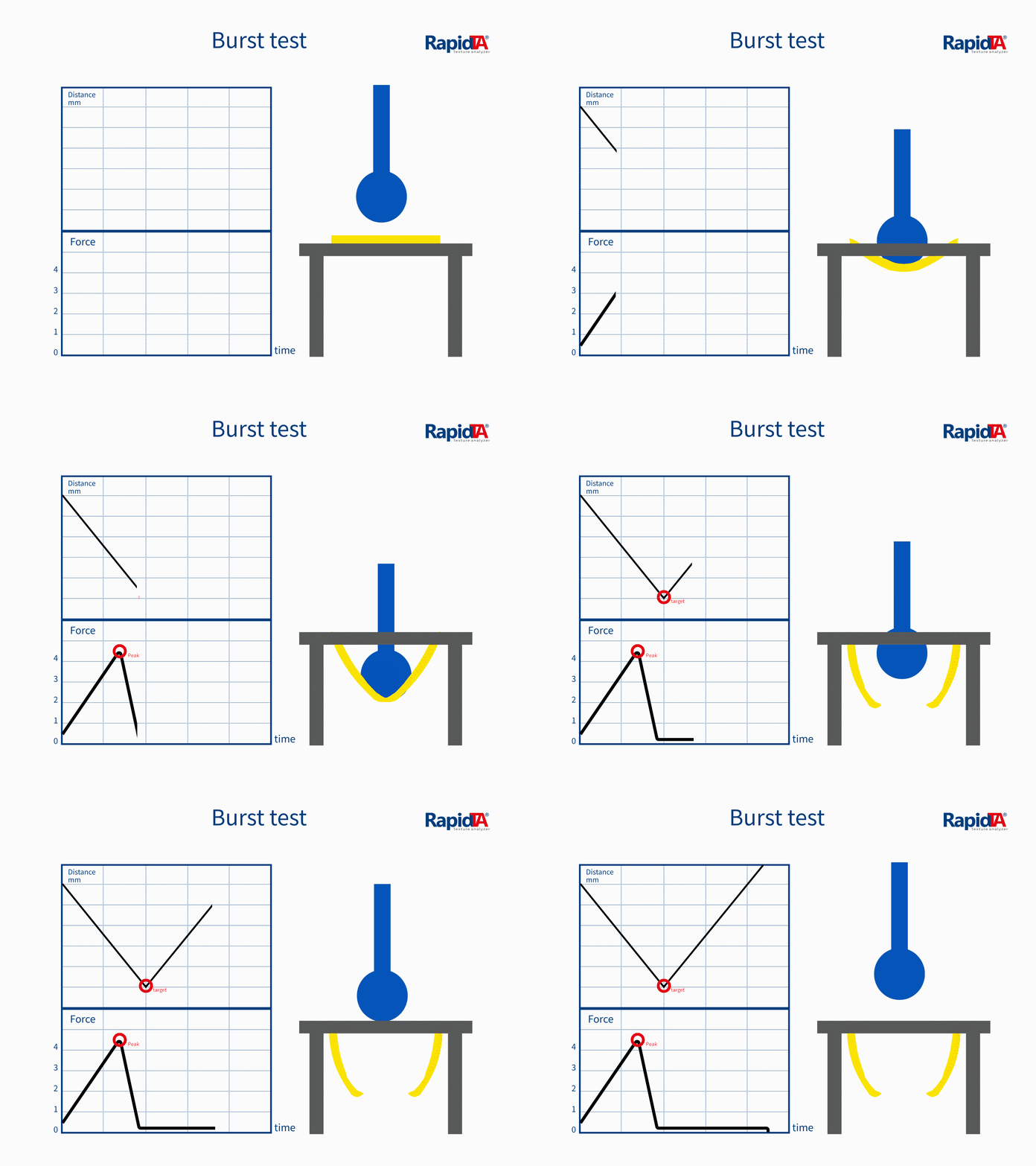
Test Purpose
Test the rupture strength of food skin or membrane structures, simulating the bursting process of food in the mouth during chewing, evaluating the "juice bursting" characteristics of food.
Test Principle
A spherical probe applies vertical pressure to foods with membrane structures until the membrane ruptures. The force value and deformation at the moment of rupture are measured to evaluate membrane strength and toughness.
Applicable Foods
- Dumpling wrappers, steamed bun skins
- Sausage casings
- Grapes, cherries, and other fruits
- Fish roe, crab roe buns
Important Parameters
- Rupture Force: Maximum force value when membrane ruptures
- Rupture Deformation: Deformation distance at rupture
4. Compression Test
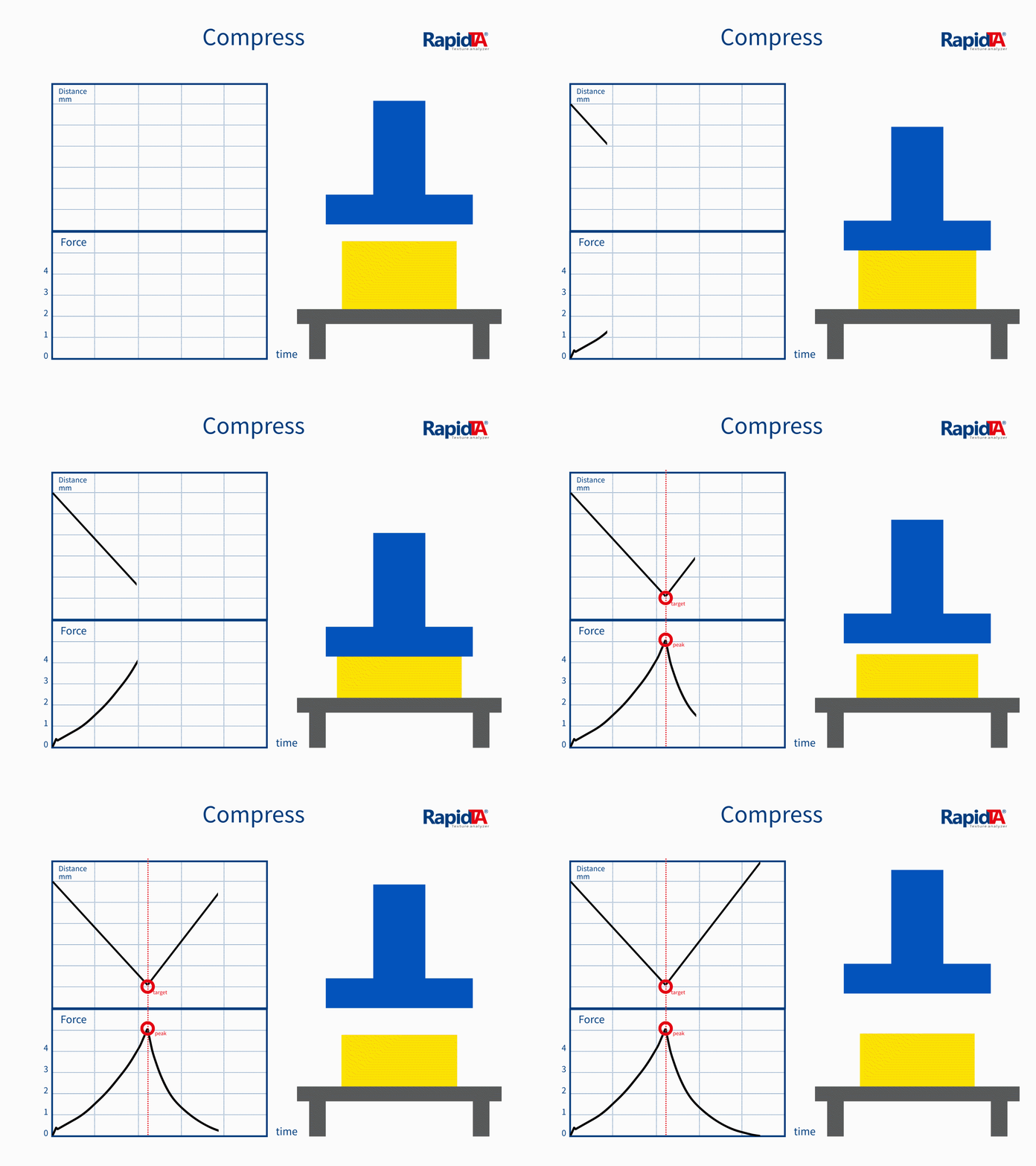
Test Purpose
Determine food's hardness, elasticity, and deformation characteristics under compressive force. This is one of the most commonly used testing methods in food texture analysis.
Test Principle
A flat probe applies vertical downward pressure to food samples, measuring the relationship between force value and deformation during compression. Can evaluate food characteristics such as hardness, elasticity, and yield point.
Applicable Foods
- Fruits (apples, oranges, peaches)
- Cakes, bread
- Tofu, pudding
- Meat products
Important Parameters
- Hardness: Maximum force required to achieve specific deformation
- Elasticity: Recovery ability after compression
5. Creep Test
Test Purpose
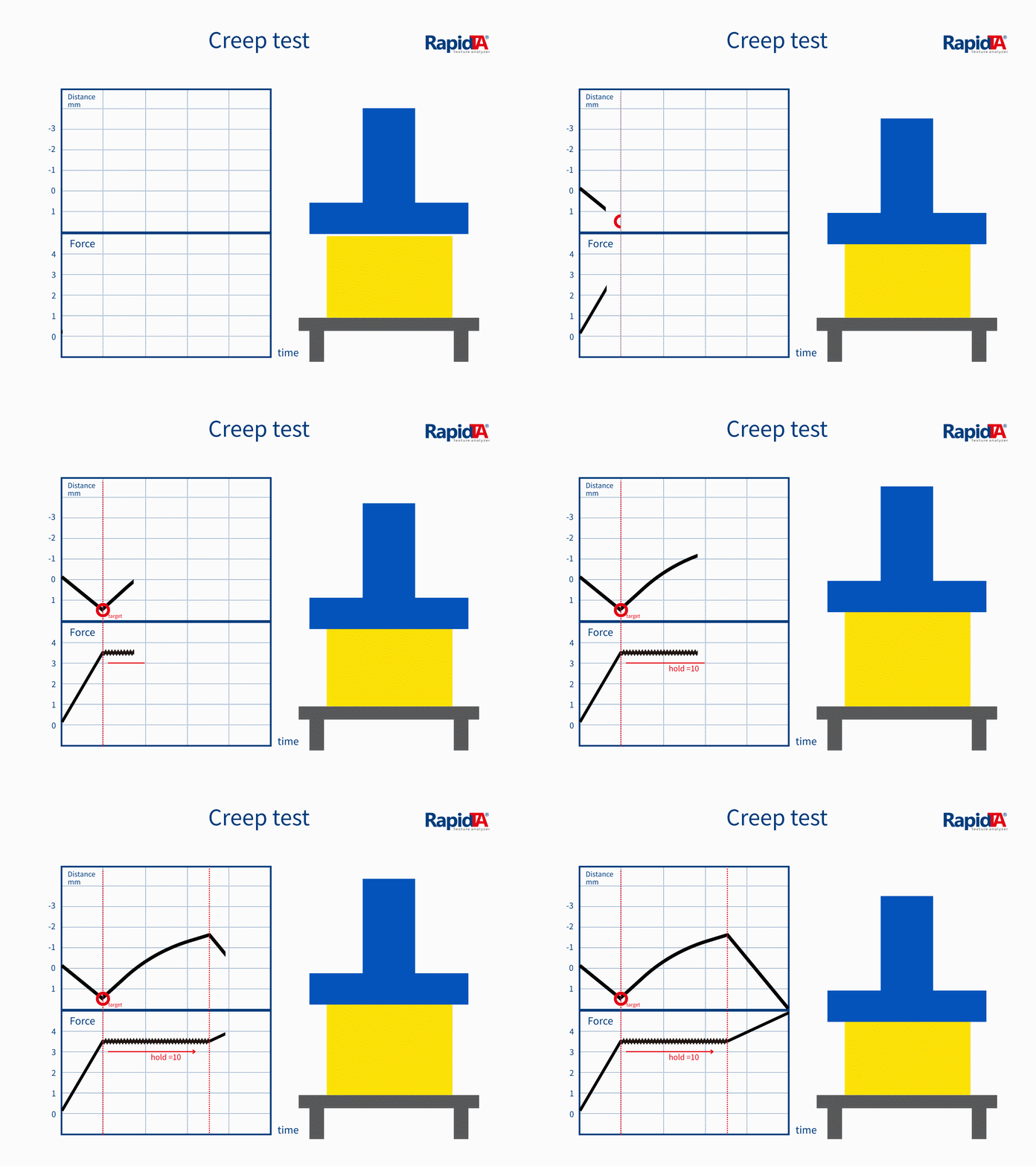
Test slow deformation of food over time under constant pressure, evaluating food's viscoelastic behavior and time-dependent texture characteristics.
Test Principle
Apply constant pressure to food samples, observe and record the deformation the sample undergoes over time under this constant stress. Viscoelastic materials will show initial elastic deformation and subsequent viscous flow.
Applicable Foods
- Cheese, butter
- Jelly, pudding
- Dough, pasta dough
- Gummies, marshmallows
Important Parameters
- Instantaneous Elastic Deformation: Deformation amount at the moment of loading
- Creep Rate: Deformation speed during stable creep stage
6. Cutting Test
Test Purpose
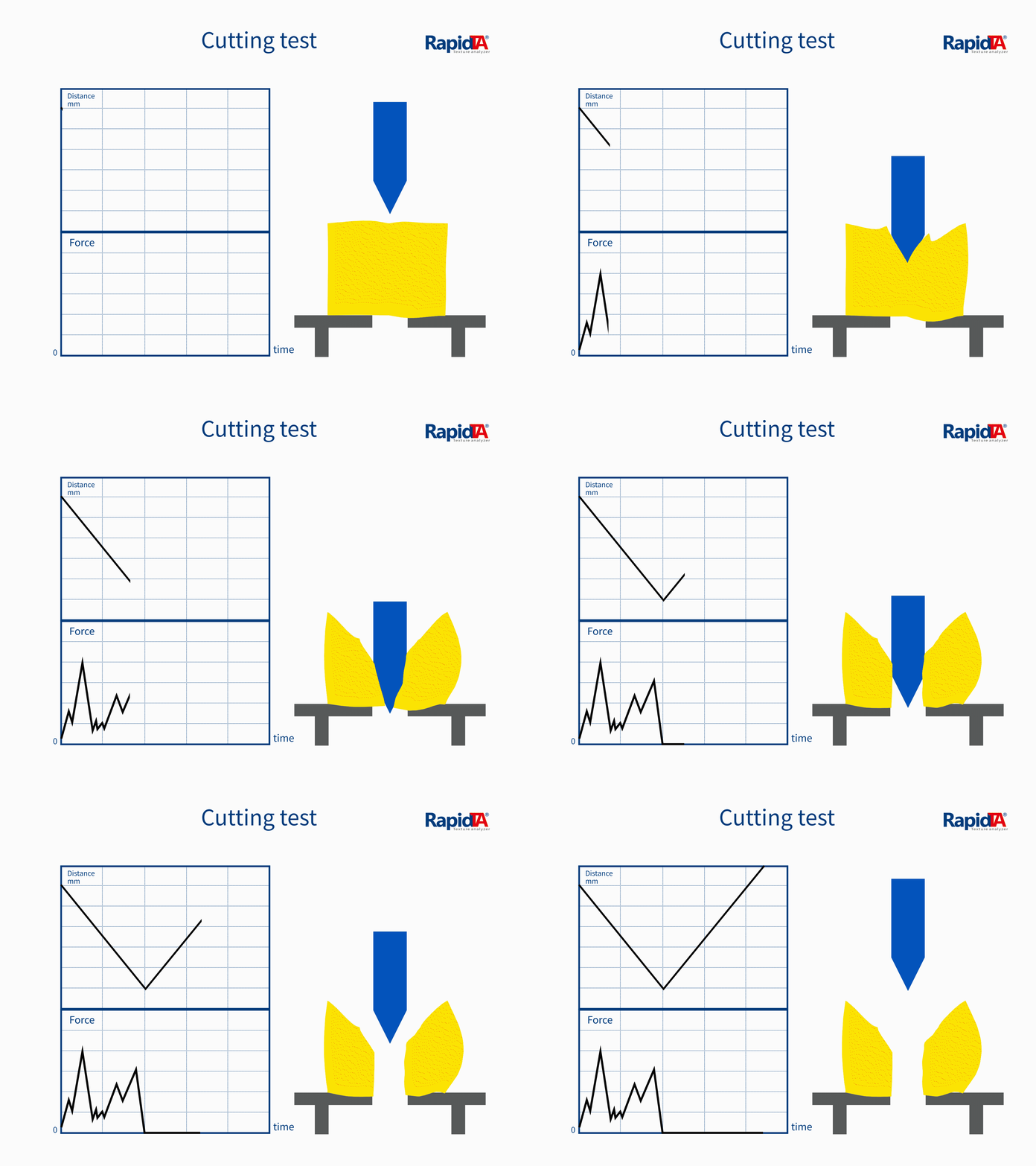
Simulate the shearing behavior when food is cut by utensils or chewed, determining food's shear strength and the force required for cutting.
Test Principle
A blade-shaped probe cuts into food samples at constant speed, measuring resistance changes during the cutting process. Can evaluate food's cutting characteristics and internal structure uniformity.
Applicable Foods
- Meat (beef, pork, chicken)
- Vegetables (lettuce, cabbage)
- Noodles, pasta
- Cheese, ham slices
Important Parameters
- Shear Force: Maximum resistance during cutting
- Shear Work: Total energy required for complete cutting
7. Extrusion Test
Test Purpose
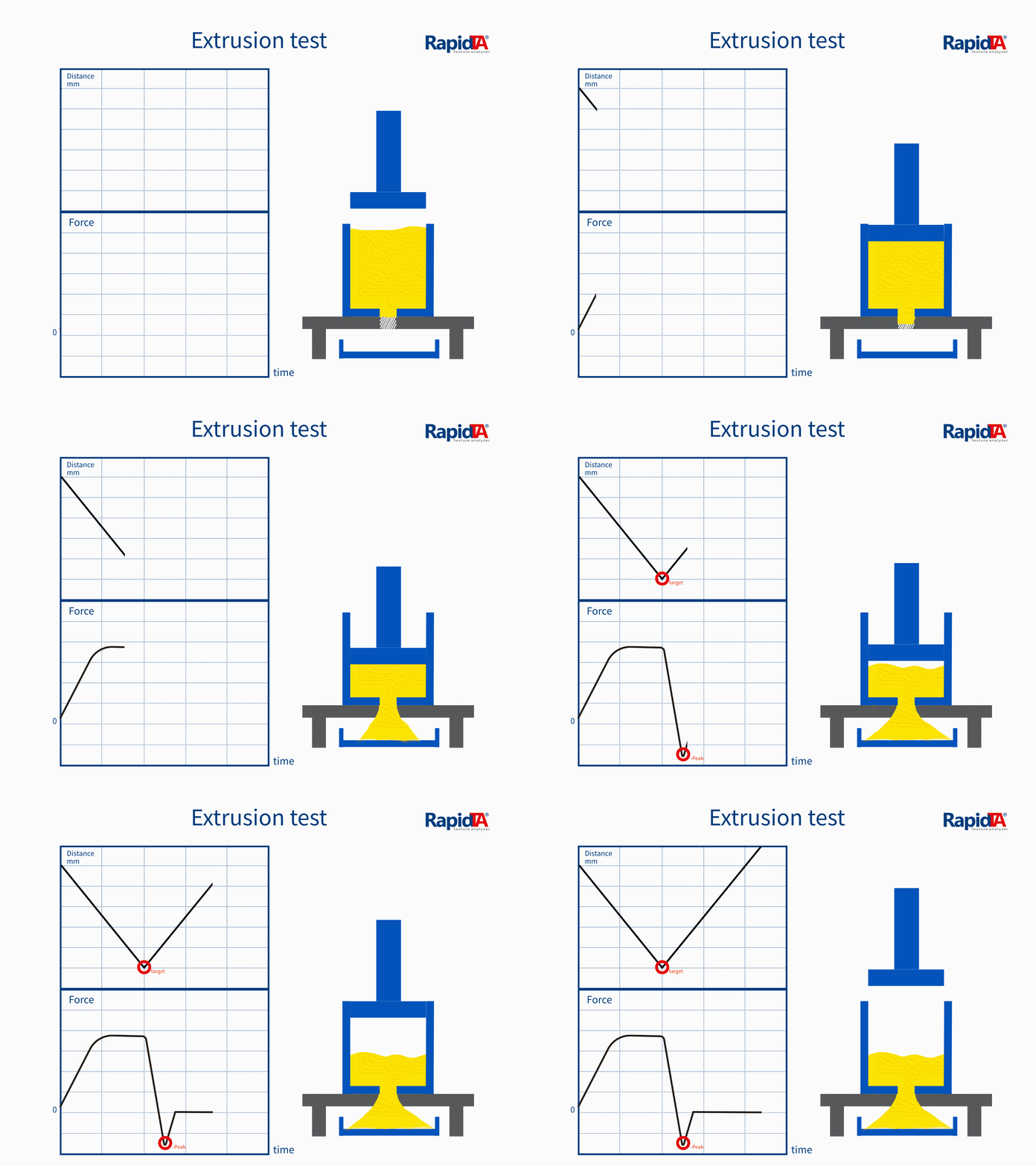
Test food's fluidity and extrudability, evaluating rheological properties of semi-solid foods and resistance changes during extrusion process.
Test Principle
Food samples are placed in a perforated container, and a piston compresses downward at constant speed, forcing the sample to extrude through small holes. Resistance changes during extrusion are measured.
Applicable Foods
- Sauces, ketchup
- Baby food, fruit purees
- Butter, margarine
- Meat sauce, fish paste
Important Parameters
- Extrusion Force: Maximum resistance during extrusion process
- Flow Index: Parameter describing flow behavior
8. Penetration Test
Test Purpose
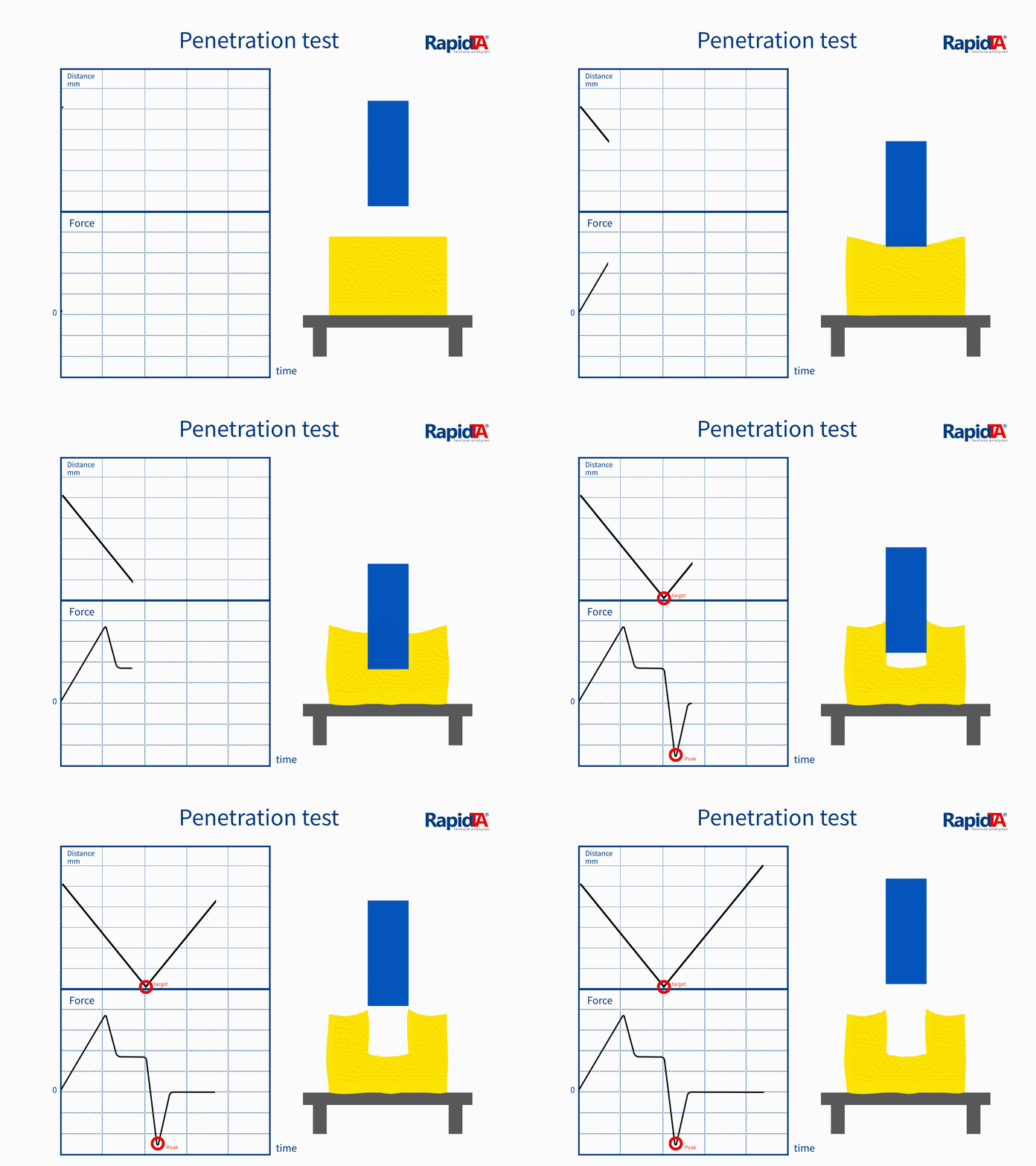
Determine food surface penetration resistance and internal structure firmness, simulating the process of a fork piercing food or teeth biting into food.
Test Principle
A sharp probe (needle-shaped or cone-shaped) penetrates food samples at constant speed, measuring resistance changes during penetration. Can evaluate differences between skin hardness and internal texture.
Applicable Foods
- Fruits (apples, pears, peaches)
- Vegetables (potatoes, carrots)
- Meat products
- Jelly, pudding
Important Parameters
- Penetration Force: Maximum resistance during penetration
- Penetration Work: Energy required for complete penetration
9. Relaxation Test
Test Purpose
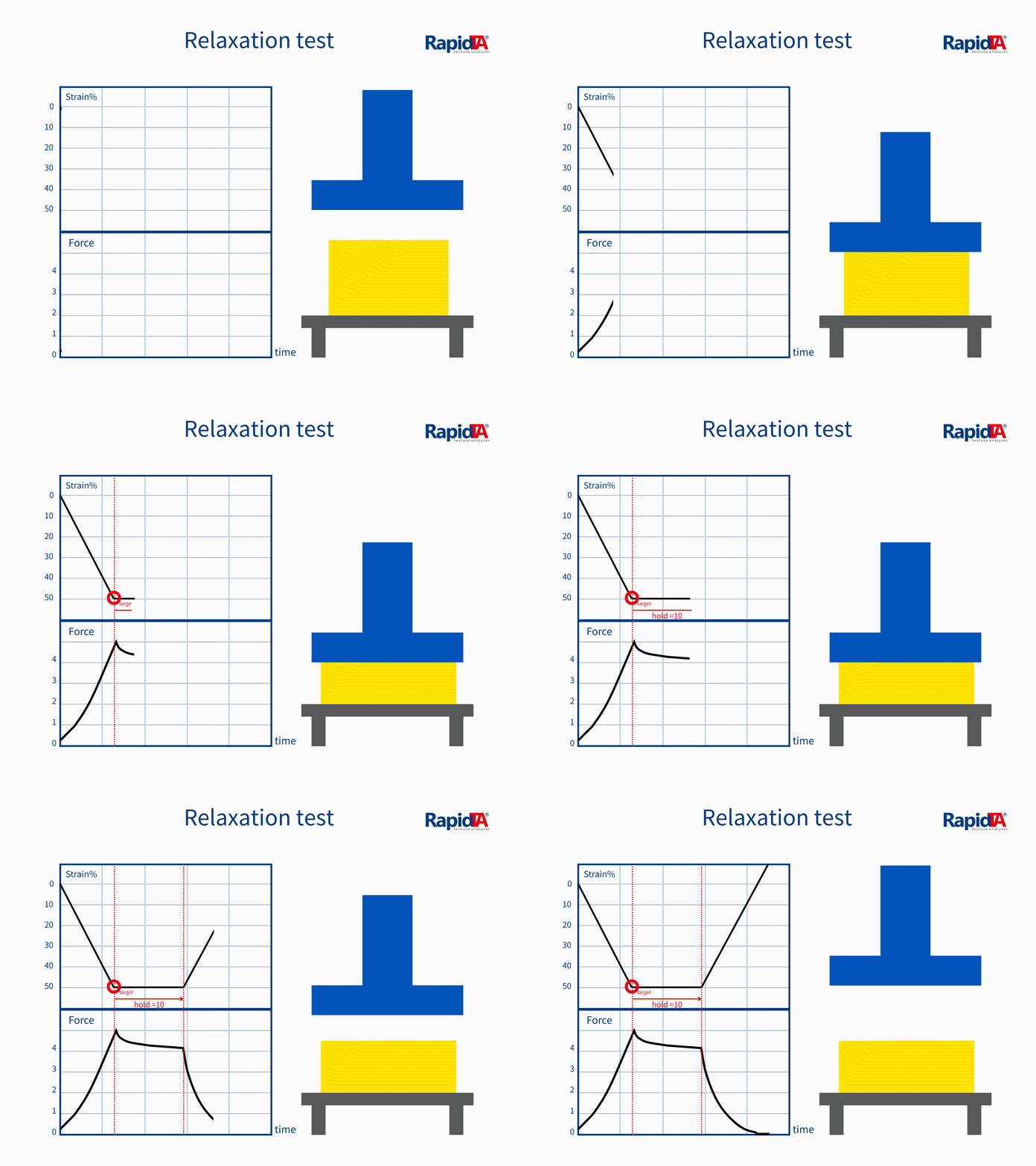
Test stress decay over time in food under constant deformation, evaluating food's viscoelastic recovery characteristics and structural stability.
Test Principle
Quickly compress food samples to a specific deformation amount and maintain it constant, observe and record the decrease in internal stress over time. Elastic materials maintain constant stress, while viscous materials show gradual stress decay.
Applicable Foods
- Bread, cakes
- Cheese, tofu
- Fruits (bananas, avocados)
- Gel foods
Important Parameters
- Initial Stress: Stress value at the moment of loading
- Relaxation Time: Time required for stress to decay to a specific proportion
10. Tension Test
Test Purpose
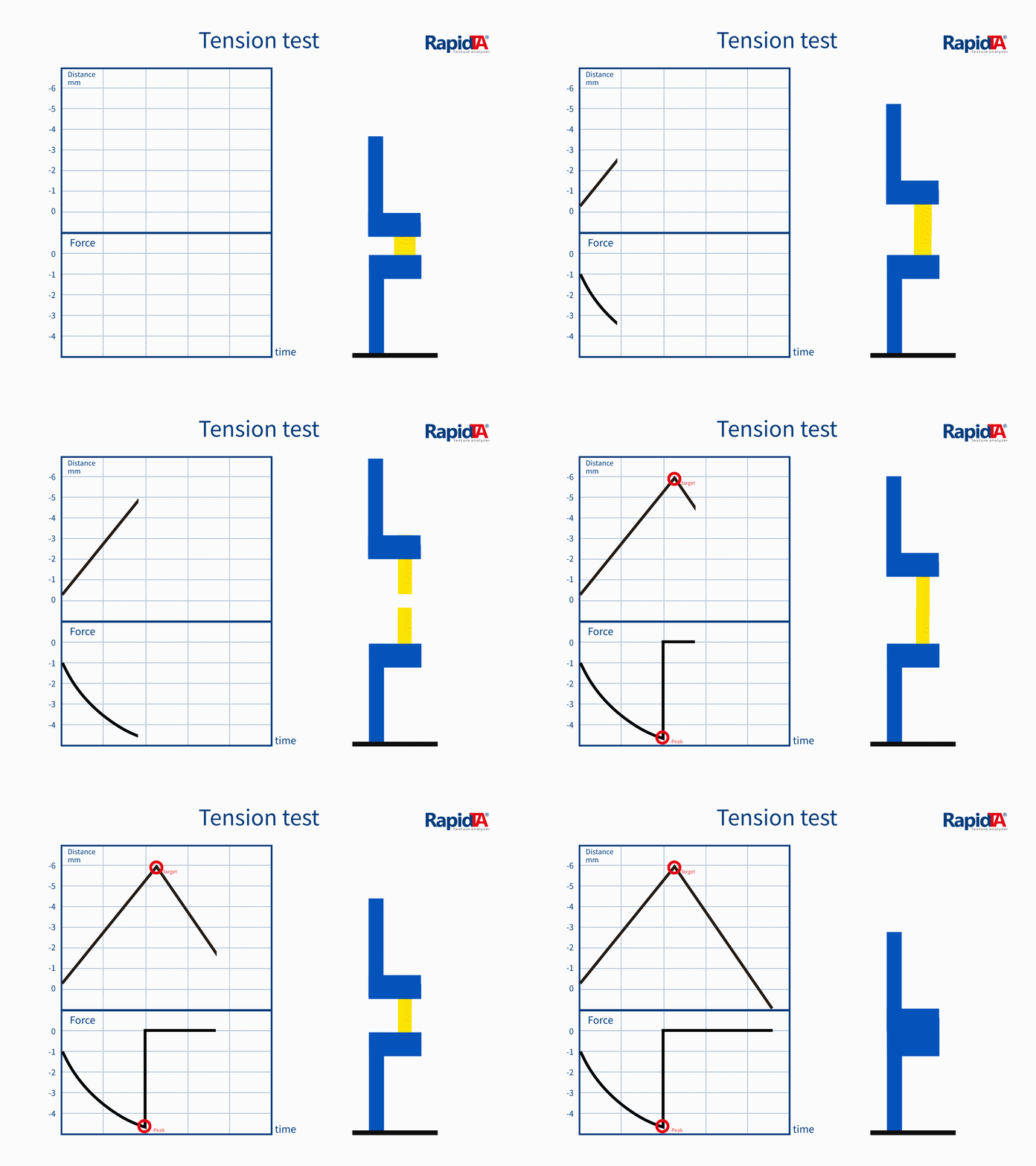
Determine food's extensibility, toughness, and fracture characteristics under tensile force. Particularly suitable for foods with fibrous structure or stretchable properties.
Test Principle
Both ends of food samples are fixed in clamps and stretched in opposite directions at constant speed until sample fracture. Force value changes and maximum elongation during stretching are measured.
Applicable Foods
- Cheese (mozzarella cheese)
- Noodles, ramen
- Candy (toffee, gummies)
- Shredded meat, fish floss
Important Parameters
- Tensile Strength: Maximum tensile force at fracture
- Extensibility: Maximum elongation rate at fracture
11. TPA Test (Texture Profile Analysis)
Test Purpose
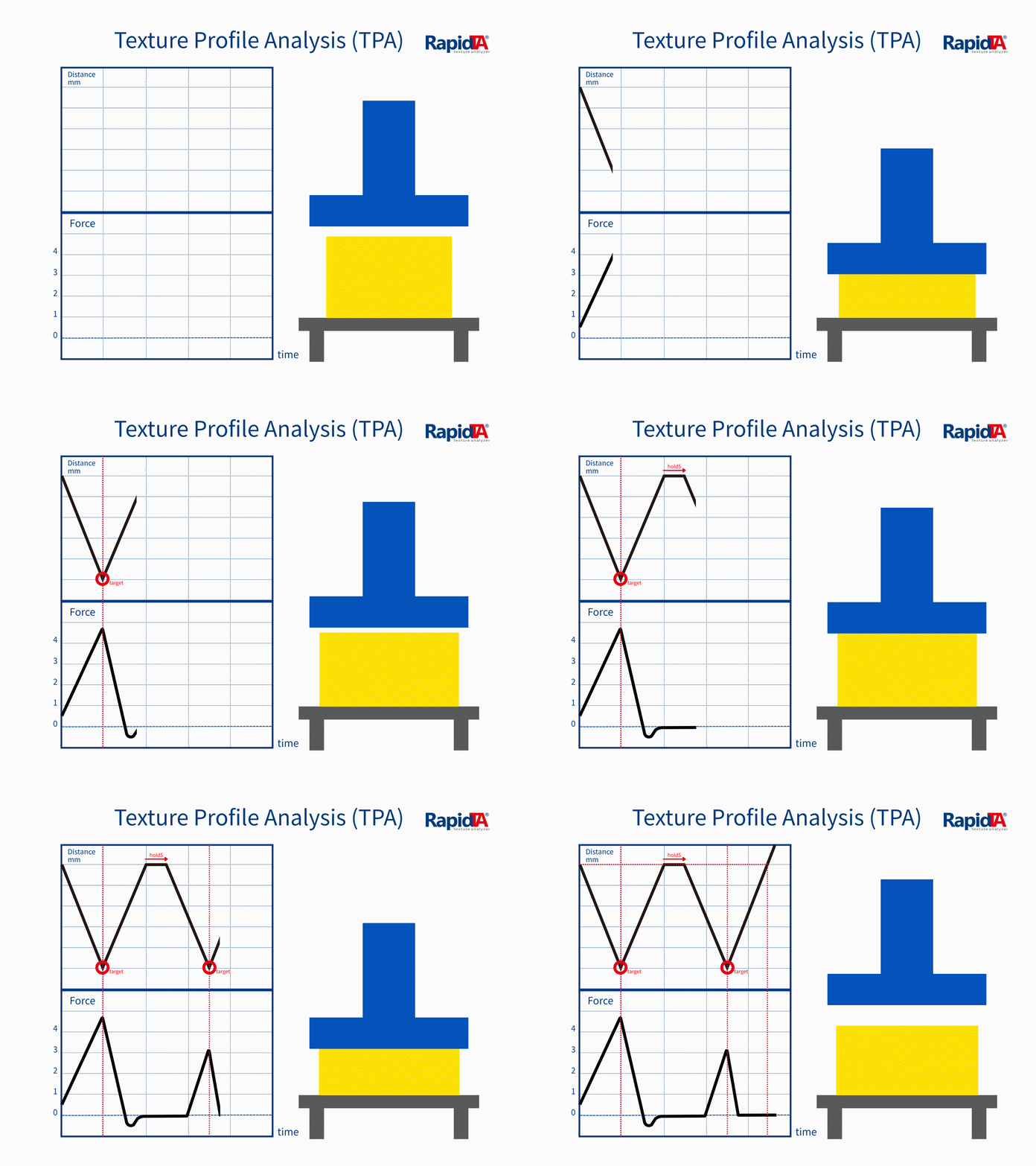
Simulate human chewing process through two consecutive compressions, measuring multiple texture parameters including hardness, elasticity, cohesiveness, gumminess, chewiness, and resilience in one test.
Test Principle
Perform two consecutive compression tests on food samples, with the second compression simulating the biting action during chewing. By analyzing the force-deformation curves of both compressions, multiple texture parameters can be calculated.
Applicable Foods
- Various meat products
- Baked goods (bread, cookies)
- Dairy products (cheese, yogurt)
- Fruits and vegetables
- Processed foods
Important Parameters
- Hardness: Peak force of first compression
- Springiness: Sample's recovery ability
- Cohesiveness: Internal bonding strength
- Gumminess: Hardness × Cohesiveness
- Chewiness: Gumminess × Springiness
- Resilience: Initial elastic recovery degree
Testing Conditions and Standards
Environmental Conditions
- Temperature: Usually conducted in constant temperature environment of 20-25°C
- Humidity: Relative humidity 50-60%
- Sample Preparation: Uniform shape, size, and thickness
Testing Parameters
- Probe Type: Select appropriate probe shape and size based on test purpose
- Test Speed: Usually 0.5-5.0 mm/s
- Compression Ratio: Generally 10-80% of sample height
Data Analysis
- Repeatability: Test each sample at least 5-10 times
- Statistical Analysis: Calculate mean, standard deviation, and coefficient of variation
- Result Interpretation: Combine sensory evaluation to verify instrumental test results
Practical Application Cases
Meat Product Development
Optimize meatball formulations through TPA testing to ensure products have appropriate hardness and elasticity, while using shear testing to evaluate fiber structure, developing products with ideal texture.
Bakery Quality Control
Use compression testing to monitor bread freshness changes, establishing shelf life prediction models. Evaluate cookie brittleness through bending tests to ensure stable product quality.
Dairy Product Innovation
Apply adhesion testing to develop new cheese products, optimizing melting characteristics and stretching effects. Evaluate yogurt texture stability through creep testing.
Summary
Food texture analysis is an indispensable tool in modern food science. It not only objectively quantifies the physical properties of food but also helps food industry professionals develop high-quality products that meet consumer expectations. With continuous technological advancement, texture analysis will play more important roles in food safety, nutritional health, and personalized dining.
By mastering these testing methods, food scientists and technicians can more precisely control product quality, innovate product formulations, and establish comprehensive quality management systems, ultimately providing consumers with safer and more delicious foods.